
Do Natural Deodorants Really Work?

The theory about aluminum in antiperspirants causing Alzheimer’s disease came about in the ’60s and ’70s, when researchers found increased levels of aluminum in the brains of Alzheimer’s patients, according to Mark Mapstone, PhD, [professor and] the vice chair for research in neurology at the University of California, Irvine, School of Medicine. … While research…
Read MoreNew Mouse Model Helps Scientists Unravel the Mysteries of Alzheimer’s Disease

Scientists at the UCI MODEL-AD group have developed a new mouse model that could help us understand Alzheimer’s disease better. The mouse model is called Trem2R47H NSS, and it has a genetic variant called TREM2 R47H that is one of the strongest known risk factors for developing late-onset Alzheimer’s in humans.
Read MoreBrowse the March 2023 UCI Brain Circuit E-newsletter
Early-life stress can disrupt maturation of brain’s reward circuits, promoting disorders

Looking to a Future Without Alzheimer’s
Alzheimer’s disease is a major health crisis that is projected to become an even larger threat in the coming decades. According to the National Institute on Aging, the number of Americans 65 and older with Alzheimer’s could rise from 5.8 million in 2020 to 13.8 million by 2050. Given the severity of this health crisis…
Read MoreUCI Podcast: The latest on Alzheimer’s disease

Dr. Grill is the director of the Institute for Memory Impairments and Neurological Disorders at UCI, better known as UCI MIND. For more than 30 years, UCI MIND has been at the forefront of Alzheimer’s disease research. The mission of UCI MIND is to enhance the quality of life for older adults by researching genetic,…
Read MoreLarge-scale generation of muscle-controlling nerve cells from amyotrophic lateral sclerosis patients
A new Cedars-Sinai study in collaboration with the University of California, Irvine (UCI) and the Answer ALS consortium has examined the expression of thousands of genes in stem cell generated motor neurons that are known to die in patients with amyotrophic lateral sclerosis, a fatal neurological disorder known as ALS or Lou Gehrig’s disease. ……
Read MoreHow to Tell If Your Brain Needs a Break
Scientists Have Discovered New Therapeutic Targets for Mental and Neurological Disorders
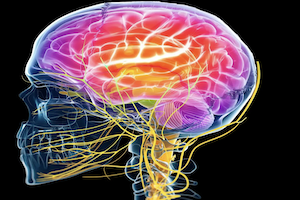
Researchers at the University of California, Irvine performed a recent study that found that the removal of cilia from the brain’s striatum region had a detrimental effect on time perception and judgment, opening the door to new therapeutic solutions for mental and neurological conditions such as schizophrenia, Parkinson’s and Huntington’s diseases, autism spectrum disorder, and…
Read More