
Saliva as a novel key for diagnostic biomarkers of cognitive decline

Holly Christensen: Alzheimer’s research in people with Down syndrome benefits all

UC Irvine Summer Brain Camp – Registration Now Open!

Browse the 2022 December UCI Brain Circuit E-newsletter

I’m a Dementia Doctor and These are the 5 Most Common Symptoms People Miss

Eat This, Not That! Health spoke with Hayley B Kristinsson, PsyD, Neuropsychologist, UCI Health who explains what to know about dementia, five signs people often miss and how to help lower the risk of dementia. Dr. Kristinsson explains, “The term dementia describes a constellation of symptoms and there are different types of dementia, with Alzheimer’s disease being…
Read MoreUCI researchers discover crucial role of brain’s striatum cilia in time perception
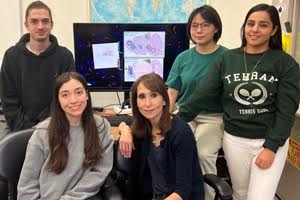
Irvine, Calif., Nov. 30, 2022 — Researchers at the University of California, Irvine have discovered that removal of cilia from the brain’s striatum region impaired time perception and judgment, revealing possible new therapeutic targets for mental and neurological conditions including schizophrenia, Parkinson’s and Huntington’s diseases, autism spectrum disorder, and Tourette syndrome.
Read MoreUntreated Sleep Apnea May Increase Dementia Risk

“There is a lot of evidence that links sleep apnea to Alzheimer’s disease risk,” added Bryce Mander, Ph.D, assistant professor, Psychiatry & Human Behavior, School of Medicine at the University of California, Irvine. “But there is limited data on the beneficial effects of sleep apnea treatment on risk for dementia.” He continued: “This study offers proof…
Read MoreUCI’s Oswald Steward to serve as president of Society for Neuroscience
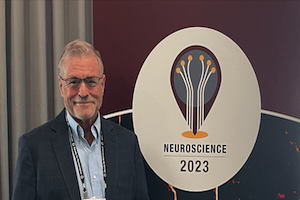
Irvine, Calif., Nov. 15, 2022 — The University of California, Irvine today announced that Oswald Steward, director of the campus’s Reeve-Irvine Research Center, will assume the role of president of the Society for Neuroscience, the world’s largest organization for the study of the brain and nervous system, with more than 36,000 members in 95 countries.…
Read MoreThe Anatomy of a Panic Attack
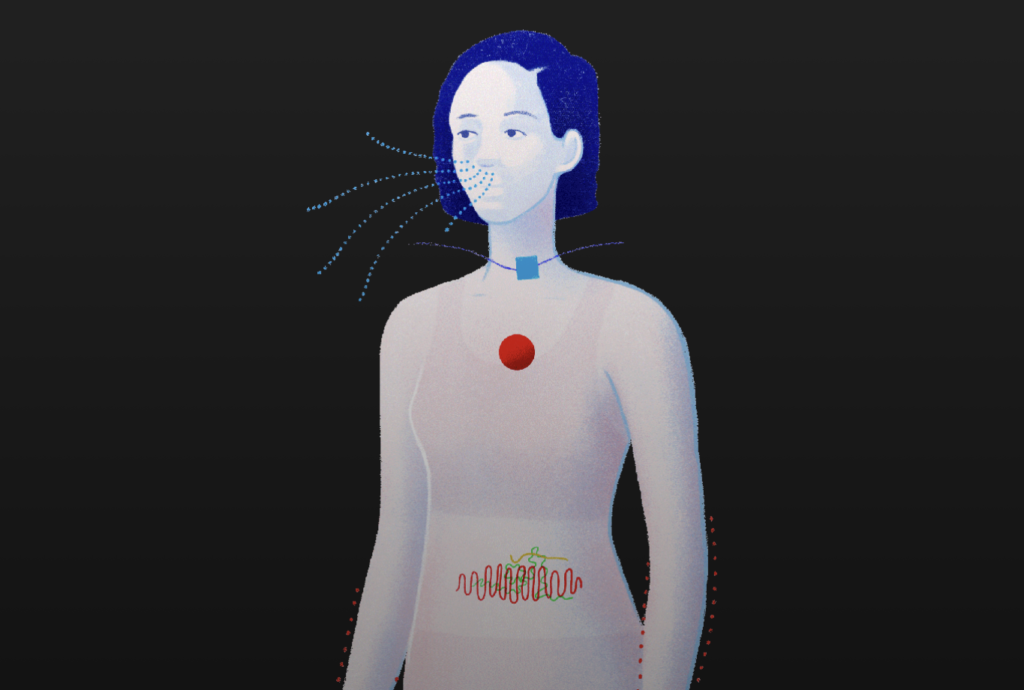
Many researchers believe that panic attacks might occur when the brain isn’t properly able to send messages between the prefrontal cortex, which is associated with logic and reasoning, and the amygdala, which governs emotional regulation. During a panic attack, the amygdala is hyperactive, while the prefrontal cortex is less responsive, causing us to spiral. … We…
Read MoreExploring The Consequences Of Early Life Adversity On The Brain
Childhood adversity, such as abuse, neglect, poverty, lack of housing, or parental loss, can have a lifetime impact on the brain and behavior. Evidence suggests that early life adversity plays an important role in shaping brain development and is associated with abnormalities of several neurobiological systems. … . … Today’s new findings show that: … A novel…
Read More